
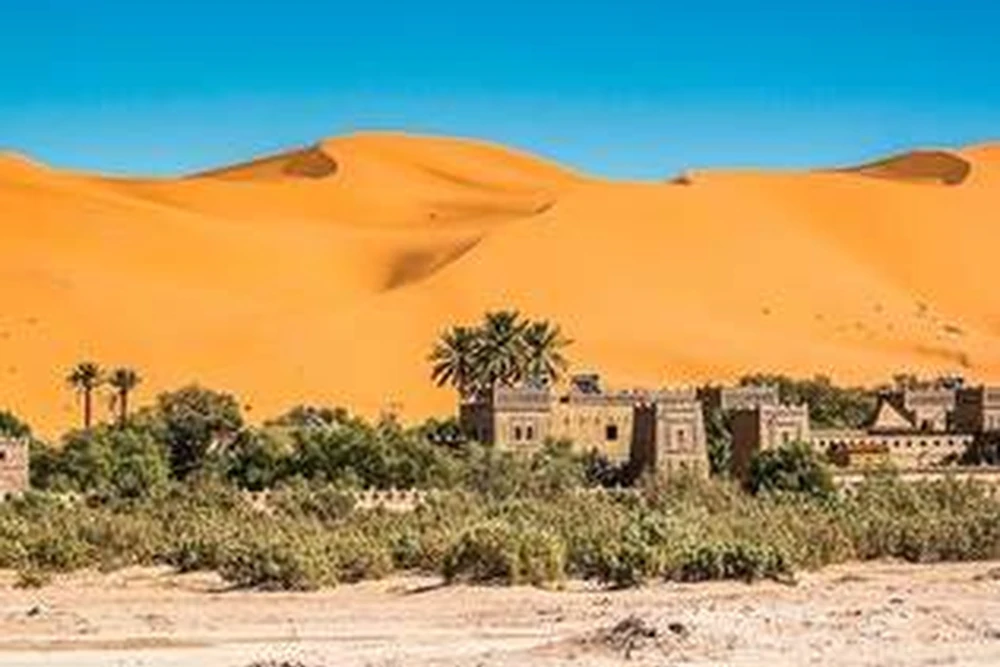
Merzouga is a small village in southeastern Morocco, but it sits beside one of the country's most recognizable desert landscapes: Erg Chebbi. That makes it an excellent base for both classic Sahara experiences and local stops that many one-night itineraries miss. The strongest trip is not the one with the most activities; it is the one that combines a few different experiences at the right pace.
Merzouga activities at a glance
| Experience | Best for | Typical time | Local planning note |
|---|---|---|---|
| Camel trekking | First-time visitors | About 40–60 min or longer | Late afternoon is popular for cooler temperatures and sunset light. |
| Sunrise / sunset | Everyone | 30–60 min | Arrive early enough to choose a quiet ridge instead of rushing at the last minute. |
| Desert camp | Couples, families, first visits | Overnight | Compare the real inclusions: meals, private bathroom, transfers and activities vary. |
| 4x4 desert circuit | Culture + landscapes | Half day to full day | Best way to connect Khamlia, M'Fis, nomad areas and viewpoints in one outing. |
| Quad biking | Adventure | About 1 hour+ | Go with a guide and follow established routes to reduce risk and landscape damage. |
| Sandboarding | Families + groups | 30–60 min | Easy to combine with a dune walk or quad outing. |
1. Ride a camel into the Erg Chebbi dunes
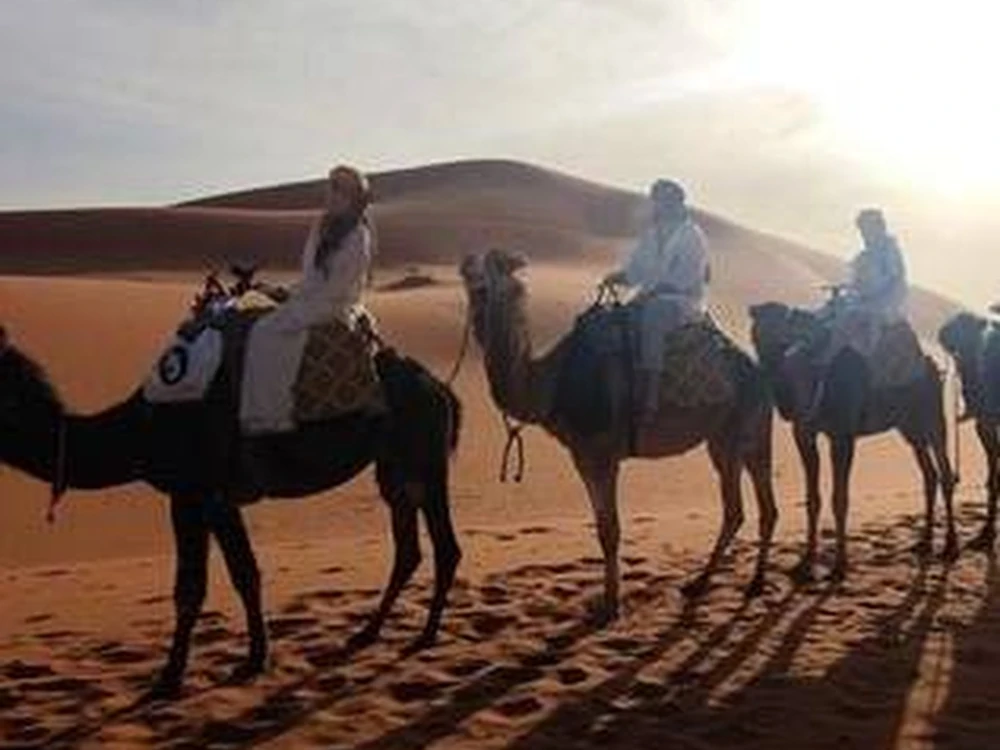
A camel ride is still the classic Merzouga experience, and for good reason. Moving slowly over the sand gives you time to notice the dune shapes, the changing light and the quiet that are easy to miss from a vehicle. Late afternoon is especially popular because temperatures are often more comfortable and the sand changes from gold to deeper orange as sunset approaches.
You do not need to spend hours on a camel to enjoy it. For many travelers, roughly 40–60 minutes is enough before continuing to a viewpoint or camp. Wear long trousers, secure footwear and a light layer for after sunset.
2. Watch sunrise or sunset over Erg Chebbi
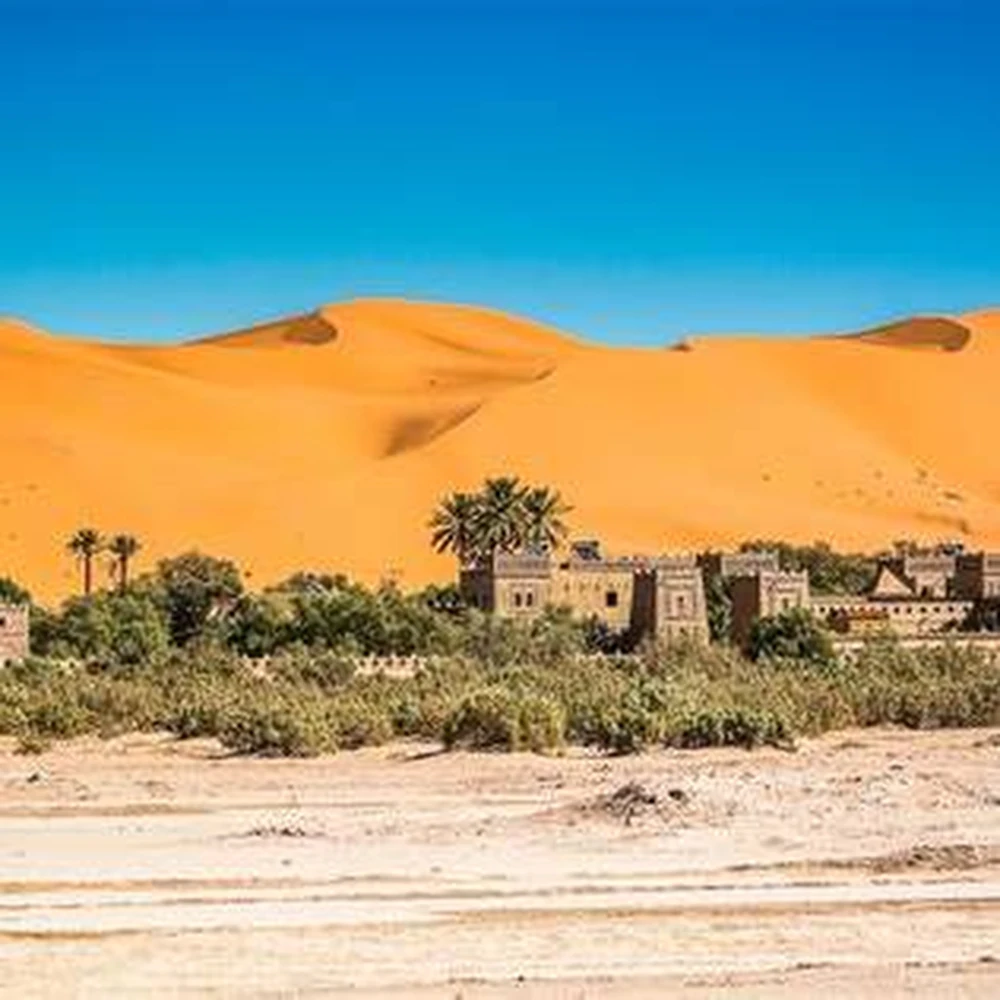
One of the best free things to do in Merzouga is simply find a dune ridge and watch the light change. Sunset gets more attention, but sunrise can feel even quieter. In cooler months, bring a warm layer before dawn; desert air can feel surprisingly cold before the sun is up.
Do not plan the experience too tightly. Wind, cloud and season change the light every day. The best approach is to reach a viewpoint early, sit down and let the scene develop rather than arriving just as the sun reaches the horizon.
3. Spend a night in a Merzouga desert camp
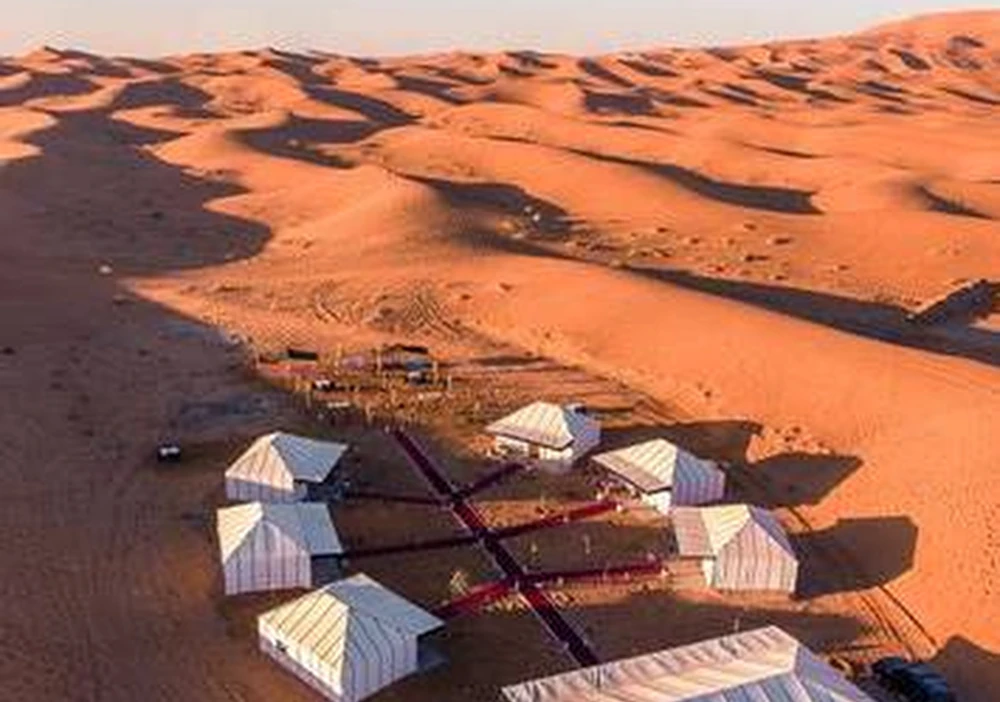
Staying beside the dunes changes the pace of a Merzouga visit. After the day cools, a typical evening can include dinner, tea, music and time outside under the night sky, followed by sunrise the next morning.
Before booking, check whether the tent is private, whether it has an ensuite bathroom, how you reach the camp, which meals are included and which activities are part of the price. Our 1-night Merzouga desert package is designed for travelers who want the essential overnight experience, while the 2-night Merzouga desert package adds a full discovery day around the area.
4. Explore the wider Merzouga desert by 4x4
Erg Chebbi is the headline, but the surrounding landscape is not one continuous sea of sand. A 4x4 circuit can move between dunes, rocky hamada, Khamlia, M'Fis, panoramic viewpoints, seasonal water areas and places connected with nomadic life. It is one of the easiest ways to understand the wider Merzouga region rather than seeing only the dune edge.
Routes should stay flexible. Strong wind, heat, road conditions and seasonal water can make one stop worthwhile on one day and less useful on another. That is where current local knowledge matters more than following a fixed checklist.
5. Try quad biking in Merzouga
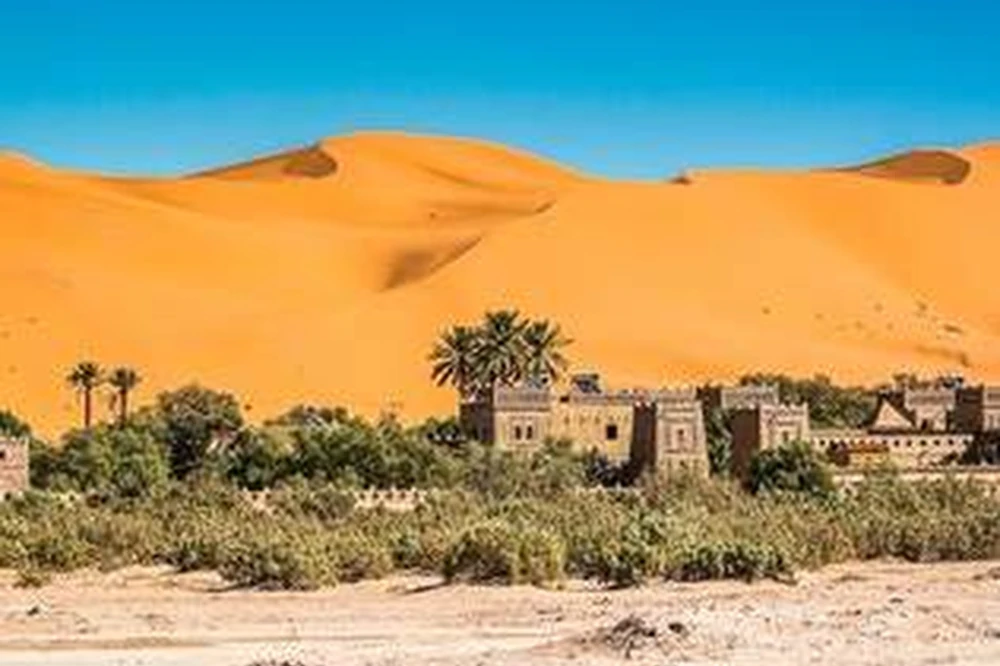
Quad biking gives you a completely different sense of scale from camel trekking. You can cover more ground and experience the transition between sandy areas, open tracks and rocky terrain. For many first-timers, one guided hour is enough to enjoy the activity without letting it take over the day.
Wear closed shoes, sunglasses and a scarf or buff in dusty conditions. Follow the guide's route and avoid riding over vegetation or sensitive areas. If you are traveling with children or teenagers, confirm the operator's current age and safety requirements before booking.
6. Go sandboarding on the dunes
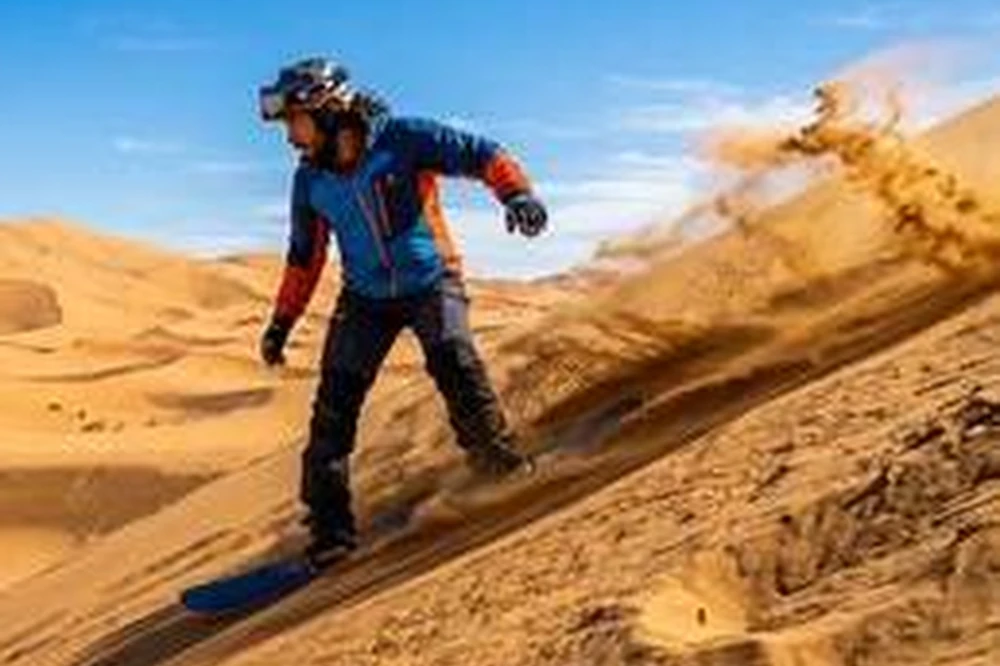
Sandboarding is simple, playful and easy to combine with other desert activities. Start on a moderate slope, get comfortable with the board and remember that the hard part is usually climbing back up. Sand texture changes with heat, wind and recent weather, so ask locally which face works best that day.
7. Visit Khamlia and listen to Gnawa music
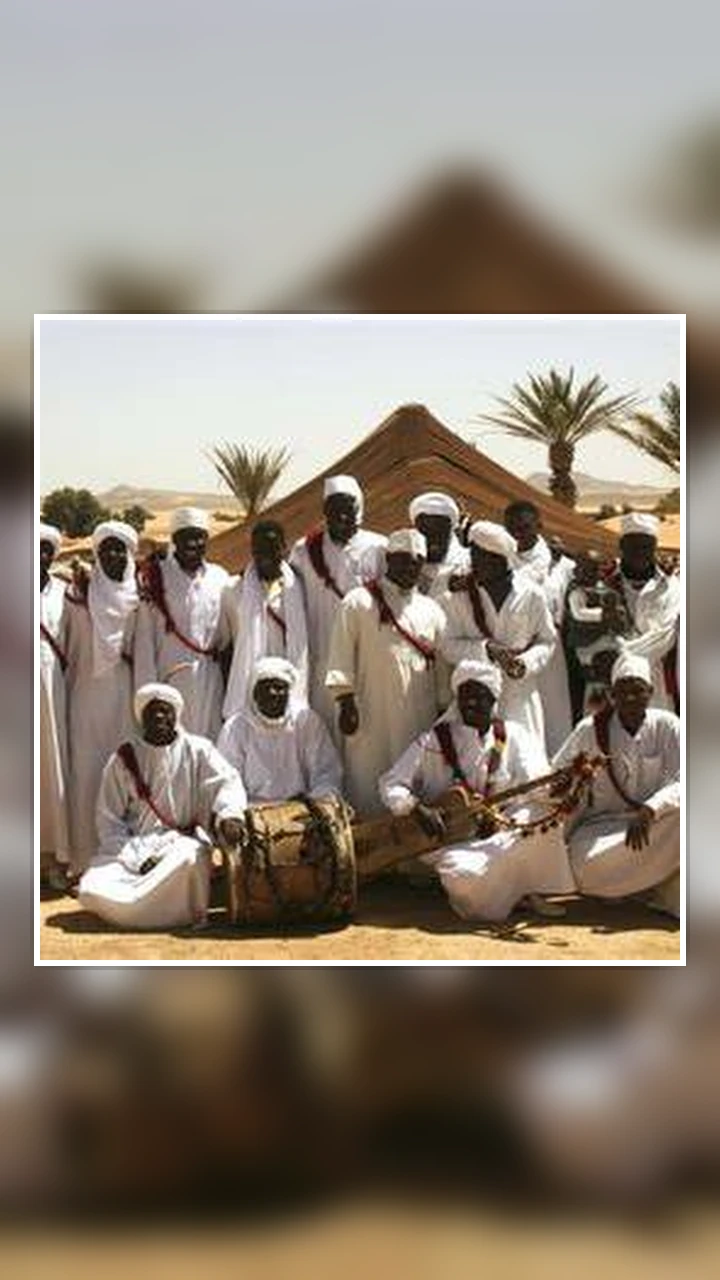
Khamlia, south of Merzouga, is known for its Gnawa musical tradition and offers a cultural contrast to the dunes. A good visit is not just a quick performance stop: sit, listen, enjoy tea if it is offered and give the musicians time to explain their music and community.
Ask before photographing people. Buying a recording or making a contribution is a straightforward way to support the musicians locally.
8. Learn about nomadic life respectfully
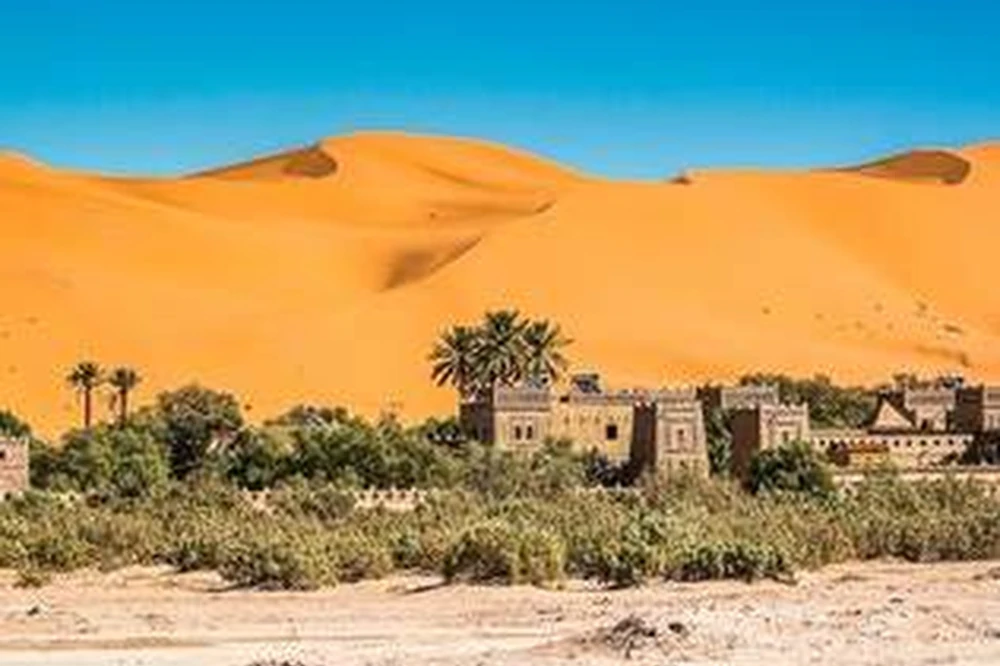
Some 4x4 circuits include time with families who maintain a nomadic or semi-nomadic way of life in the wider desert. Done respectfully, it can help visitors understand how people adapt to water, grazing, distance and seasonal conditions.
These are people's homes, not attractions. Visit with someone who already has a relationship with the family, do not assume photographs are welcome and avoid turning gifts or money into a spectacle.
9. Taste Madfouna and local desert food
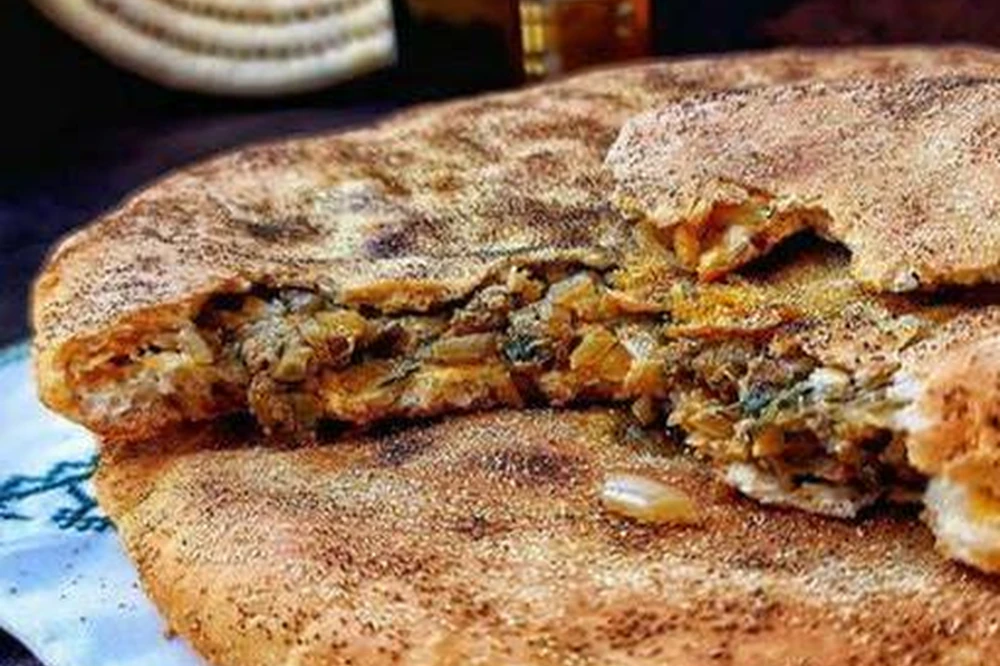
Madfouna is one of the foods most associated with the Tafilalet region. It is a stuffed bread with a savory filling, cooked and then cut for sharing. Travelers sometimes hear it described as “Berber pizza,” but thinking of it as a regional stuffed bread is more accurate.
On a longer Merzouga day, it makes a satisfying lunch between desert stops. Tea, dates and simple local dishes are also an easy way to connect the itinerary with the region instead of eating every meal inside your accommodation.
10. Discover the M'Fis mining area
The M'Fis area adds a different visual layer to the desert. Dark rocky ground and old mining activity contrast with the orange dunes nearby, making it useful for understanding that the Merzouga landscape is more varied than it first appears.
This stop works best as part of a wider 4x4 circuit rather than as a destination on its own. A local guide can provide context and fit it naturally between other stops.
11. Visit Dayet Srij when conditions are right
Dayet Srij is a seasonal lake area near Merzouga. When water is present, the contrast between wetland, open sky and desert can be striking, and birdlife may appear. At other times it can be partly or completely dry.
For wider regional context, the Moroccan National Tourism Office also includes Dayet Srij in its Errachidia–Midelt–Merzouga destination guide.
12. Explore Rissani and the Tafilalet heritage
Rissani adds markets, regional history and everyday local life to a dune-focused trip. It has long connections with the Tafilalet region and historic caravan trade, and its market is especially interesting on active market days.
If traditional markets and local food interest you, allow enough time to walk rather than treating Rissani as a five-minute photo stop. It can work well before arriving in Merzouga or after leaving the desert.
13. Go stargazing after the camp lights dim
You do not need a telescope to enjoy a clear desert night. Move away from the brightest camp lights, give your eyes time to adjust and keep your phone screen off for a few minutes. Moon phase, cloud, dust and wind all affect what you see, so the experience changes from night to night.
For many visitors, the best part is not identifying specific constellations; it is simply having enough darkness and time to look up without city lights.
14. Walk the dunes and photograph the changing light
Some of the best Merzouga experiences cost nothing. Walk from the dune edge during the cooler part of the day, find a ridge with an open view and stay long enough for the shadows to change. Early morning and late afternoon usually reveal more texture than flat midday light.
Protect cameras and phones from blowing sand and avoid changing lenses when wind picks up. If you plan to use a drone, check Morocco's current rules before traveling; an open desert landscape does not automatically mean drone use is permitted.
15. Leave time to do almost nothing
This sounds like strange travel advice, but Merzouga is easy to overschedule. Camel ride, quad bike, 4x4, music, lunch, sunset—if every hour is filled, you can miss the reason many travelers wanted to see the desert in the first place.
Leave a quiet hour for tea, reading outside camp, a slow walk or simply sitting on a dune. The difference between a rushed visit and a memorable desert stay is often not one extra attraction; it is having enough time to absorb the place.
How many days do you need in Merzouga?
1 night
Best when your Morocco itinerary is tight and you mainly want camel trekking, sunset, camp, dinner, sunrise and a short activity before departure.
2 nights
Better if you want a full day for 4x4 exploration, Khamlia, local food, M'Fis, nomadic culture, sandboarding or quad biking without squeezing everything around sunset.
Our 3-day, 2-night Merzouga experience is built around that full discovery day rather than simply adding another night in the same place.
Which Merzouga activities fit your travel style?
First visit
Camel ride, sunset, camp night and sunrise give you the classic Erg Chebbi experience.
Families
Short camel rides, sandboarding, private 4x4 outings and flexible camp time are easy to combine.
Adventure
Quad biking, sandboarding, longer dune walks and a wider 4x4 route add more movement.
Culture
Prioritize Khamlia, Madfouna, Rissani and respectful local encounters rather than stacking dune activities.
Practical tips for visiting Merzouga
- Plan around heat: keep demanding activities for early morning or late afternoon during hot periods.
- Bring layers: desert temperature swings can be noticeable, especially outside summer.
- Protect yourself from sun and sand: sunscreen, sunglasses, a hat and scarf or buff are useful.
- Carry water: dry air makes dehydration easy to underestimate.
- Keep plans flexible: wind, heat and seasonal conditions can change the best order of activities.
- Ask before taking portraits: especially in villages, homes and cultural visits.
- Use current local knowledge: viewpoints, tracks and Dayet Srij conditions change.
How to get to Merzouga
Merzouga is in southeastern Morocco beside Erg Chebbi. The best route depends on the rest of your trip:
- From Marrakech: the scenic road crosses the High Atlas and works best as a multi-stop journey through places such as Aït Ben Haddou, Ouarzazate, Dades and Todra. See our Marrakech to Merzouga route.
- From Fes: allow a full travel day through the Middle Atlas and Ziz Valley. See our Fes to Merzouga route.
- From Errachidia: Moulay Ali Cherif Airport is one of the most practical air gateways for reaching Merzouga. See our Errachidia Airport to Merzouga transfer.
- Self-drive: travelers with a rental car can reach Merzouga by road, park locally and continue into the desert according to the program.
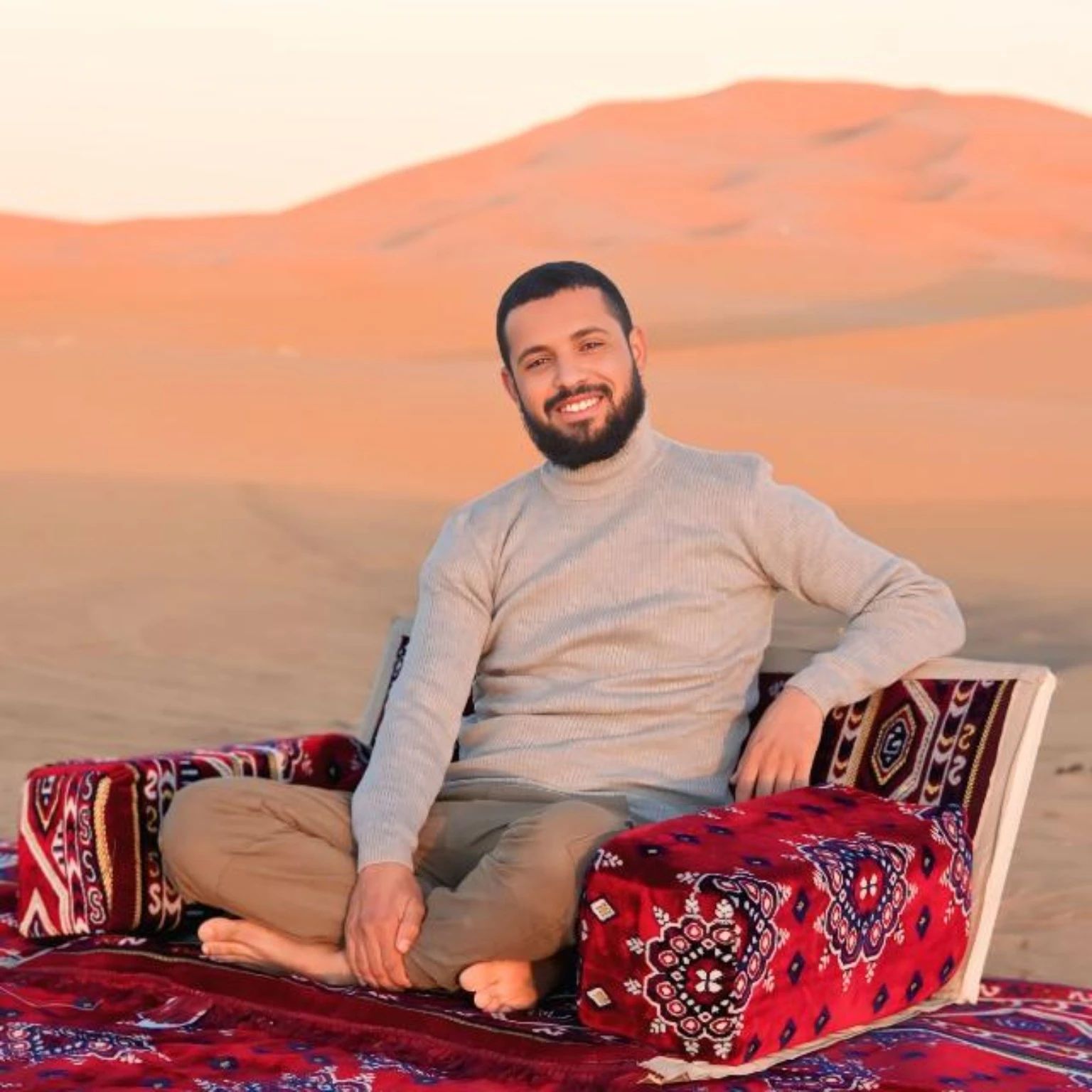
This guide is prepared with Youssef and the Merzouga Desert Package local team. The recommendations favor realistic timing, flexible desert conditions and experiences that can be combined without rushing.
Choose your Merzouga desert package
Book the essential overnight experience or stay two nights for a complete discovery day around Erg Chebbi. Private transport from Marrakech, Fes, Errachidia and other cities can also be arranged.
See 1-Night PackageSee 2-Night PackageFrequently asked questions about things to do in Merzouga
What is Merzouga famous for?
Merzouga is famous for its location beside Erg Chebbi. Visitors come for camel trekking, desert camps, sunrise and sunset, then often add 4x4 exploration, quad biking, Khamlia, sandboarding and local food.
Is Merzouga worth visiting?
For travelers who want Morocco's large Sahara-style dune landscape, Merzouga is worth considering because Erg Chebbi offers both classic desert scenery and enough nearby activities for one or two full days.
Is one night enough in Merzouga?
One night is enough for the essential camel, sunset, camp and sunrise experience when your itinerary is short. Two nights is better if you also want a full discovery day around Erg Chebbi without rushing.
What can you do in Merzouga besides riding camels?
You can explore by 4x4, ride a quad, sandboard, listen to Gnawa music in Khamlia, try Madfouna, visit M'Fis and Rissani, check seasonal conditions at Dayet Srij, stargaze and walk the dunes.
Can families with children visit Merzouga?
Yes. Short camel rides, sandboarding, camp time and private 4x4 outings can be adapted around children's ages and comfort. Avoid long exposed walks during the hottest part of the day.
Can I drive a rental car to Merzouga?
Yes. Merzouga is reachable by road. Self-drive travelers can meet the local team, park their vehicle and continue into the desert by camel or 4x4 depending on the program.
Is Dayet Srij always a lake?
No. Dayet Srij is seasonal. Water levels and birdlife vary with rainfall and conditions, so ask locally before visiting rather than expecting water or flamingos year-round.
What is the difference between Merzouga and Erg Chebbi?
Merzouga is the village and travel base; Erg Chebbi is the nearby dune field. When travelers say “Merzouga desert,” they usually mean the Erg Chebbi dunes and the surrounding desert area.